Custom AI builds for problems nothing off the shelf fits
We write AI agents and automations in TypeScript or Python around your data, your edge cases and your idea of a correct answer. Then we document the code and hand it over.
What is a custom AI build?
A custom AI build is an AI agent or automation written as real software for one business's problem, in TypeScript or Python, around that business's data, edge cases and definition of a correct answer. It is versioned in Git, reviewed and documented, and once the build is paid for, the code belongs to the client.
It suits a business whose problem doesn't match the assumptions baked into AI products: the data is unusual, the awkward cases matter, or the job is personal, like the family assistant we built for Kirill. Sometimes the right answer is a small, sharp script instead of a platform, and if we disagree with the approach you came in with, we say so while we scope it.
Custom AI we've built for real problems
A learning game built around one child's school report
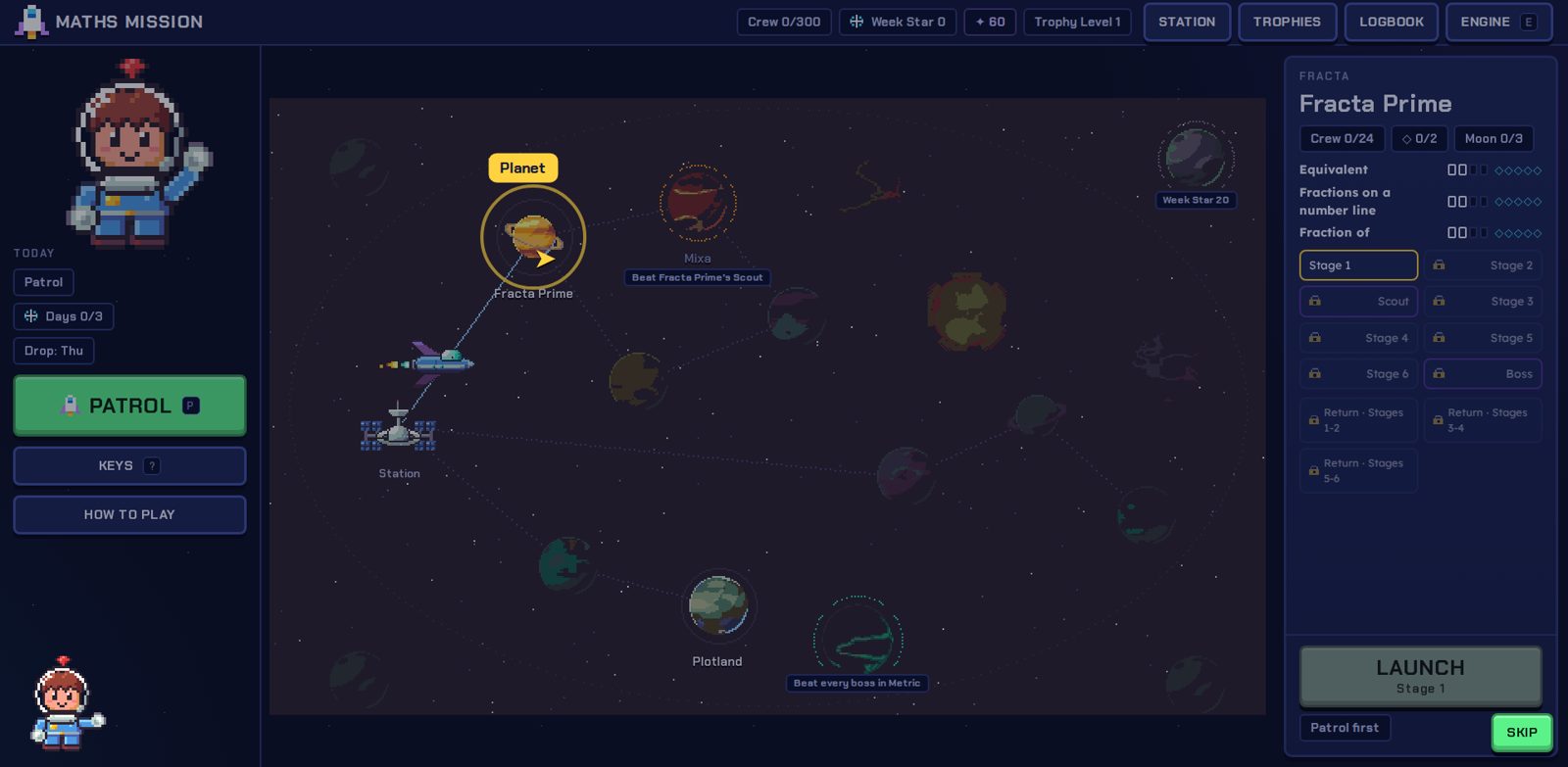
Our co-founder Kirill built Maths Mission, a space maths game, for his son. He used Claude Code and the boy's school report to work out what the game should practise, so the questions start where his son needed them.
It has a galaxy map, a cadet his son can see while he plays and savings jars in place of loot boxes. Kirill tells the Maths Mission story himself, from the school email to the first time his son played.
AI agents that draft their own fixes
Software that talks to other systems breaks when those systems change. Our agents gather the error signals, work out whether a fix applies, patch a copy of the code in isolation and run a real smoke test. The fix reaches the live system only after we review and merge it.
We wrote up how we made our AI fix its own bugs, and the loop is open source on our GitHub.
- Patchread the new column name
- Smoke testpassed
A CRM that reads your Telegram chats
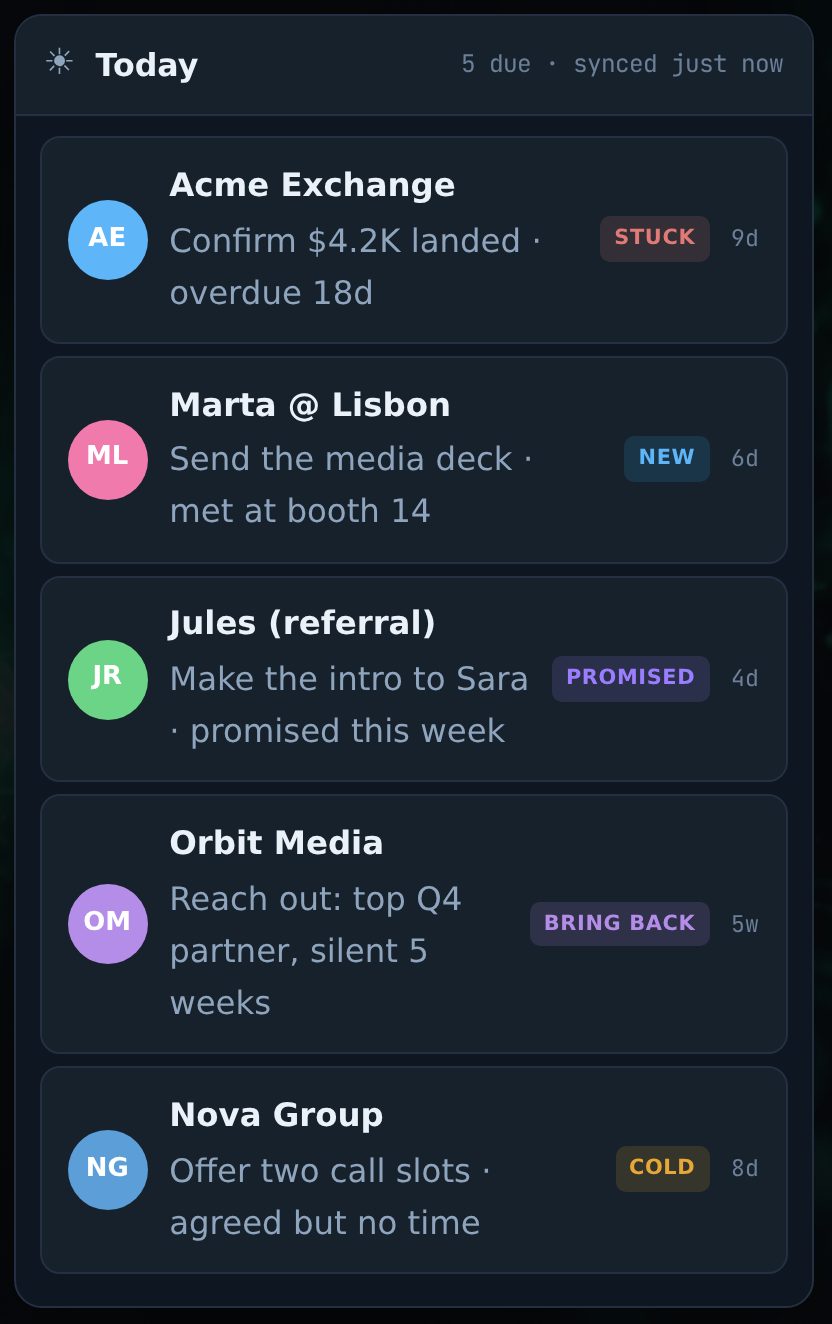
CRgraM began as a tool Kirill built for his own Telegram deals. It reads your chats, remembers what people promised, flags relationships going cold and drafts replies you send yourself. Your database and Telegram session stay on your own server, and you bring your own AI key.
Read how CRgraM grew from a personal tool into a product in beta.

What you get with every custom AI build
TypeScript or Python
Whichever fits your stack, typed, linted and laid out so any developer can pick it up after handover.
Built around your data
Scoped to your data model and edge cases from the first day. We don't start from a template and swap your variables in.
Versioned and reviewed
Real software in Git, code-reviewed and documented, with a history of every change.
Fixes merged on approval
When the agent drafts a correction, it waits for us to review and merge it. Failures land in a log instead of spreading.
Tested on the live path
We reproduce a failure in a test before we fix it, then check the result a user sees. Code that compiles isn't finished until that result is right.
Handover documents
Deployment steps, architecture notes and working code, so your own team can run and extend it.
How we build custom AI
The audit
FreeWe pin down the exact input, the output and the constraints. If we think your approach is wrong, or a simpler one exists, we tell you here.
You getA written plan with the scope fixed before anyone writes code, yours to keep.Build and review
One fixed priceWe build the agent or automation, review the code and test it against your data and edge cases. Then we run the production path and check that the result a user sees is correct.
You getWorking code, tests and deployment instructions.Running it
A monthly rateWe keep it running and update it as your needs change. The failure logs are machine-readable, so the agent can say what went wrong and draft a correction for us to review.
You getA monthly rate for the scope we agreed, or a clean handover to your own team.
How much does a custom AI build cost?
A custom AI build costs a fixed price to build and, if we run it for you, a monthly rate. The audit that scopes it is free. We agree the build price and the scope before work starts, and if the scope or your usage changes a lot later, we re-quote before you have to ask.
For a first number, estimate your build in our questionnaire, and the audit sets the real price. Read how our build prices and monthly rates are set.
Custom AI at work
Inside an AI product's memory
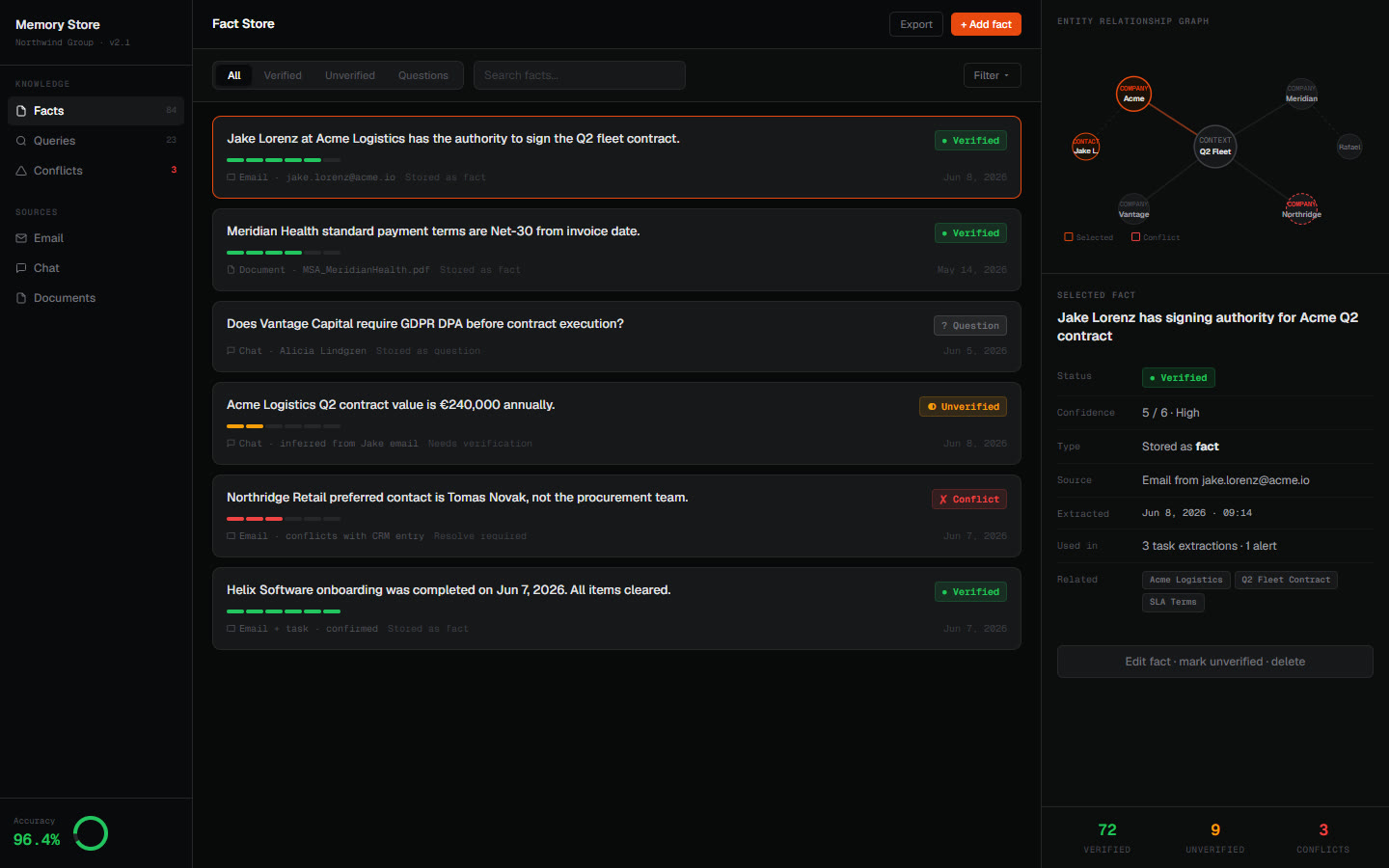
An AI product team's assistant was saving users' questions as facts and repeating them back as truth. We put a gate at the moment of storage: questions and hypotheticals stay out, and real facts start with low trust that grows as other mentions back them up.
The gate dropped into the existing assistant with no rebuild. On the client's labelled test set, it took memory precision from about 35% to 100%.
Questions about custom AI builds
How long does a custom AI build take?
A focused custom AI build, meaning one agent or automation for a single workflow, takes 3 to 7 business days once the scope is clear. A multi-agent pipeline with integrations, a review gate and a staging deployment takes 2 to 3 weeks. We size the build at the free audit before we agree a date, and we tell you if the answer is simpler than you think.
What do you need from us to scope a custom AI build?
To scope a custom AI build we need three things: the exact input the agent will get, what correct output looks like, and at least one real example of a case it must handle and one it must refuse or pass back to you. Sample data speeds things up a lot. We ask more during scoping, but that's the minimum to price it.
Why not use a no-code AI platform?
A no-code AI platform encodes someone else's idea of how your workflow runs, and when your problem doesn't fit, you hit a wall inside a product you don't own. A custom AI build gives you the source, the tests and the deployment config. When plain field mapping is enough, an n8n workflow is the cheaper answer, and we build those too.
Is a custom AI build the same as an AI employee?
An AI employee is one kind of custom AI build: an agent that owns one recurring job, runs it on a schedule and reports back on what it did. A custom AI build can also be a memory gate, a game, a CRM or a one-off pipeline. If the job repeats every day, an AI employee is usually the right shape for it.
Can we bring our own API keys to a custom AI build?
Yes. With your own Anthropic, OpenAI or Z.AI keys, you pay the AI providers directly and we never hold credentials you'd rather keep. If you'd rather we handle provider billing and rotation, we manage the keys and estimate the provider costs from the scope. Either way, the keys are encrypted at rest and never written into source code or config files.
Who owns the code in a custom AI build?
You do, once the build is paid in full. You own the custom code, configurations and automations we write for you, with their documentation. Our general tooling stays ours, and you get a perpetual licence to use it inside your build, so nothing ties you to us. Our FAQ covers ownership and data in more detail.
More custom builds
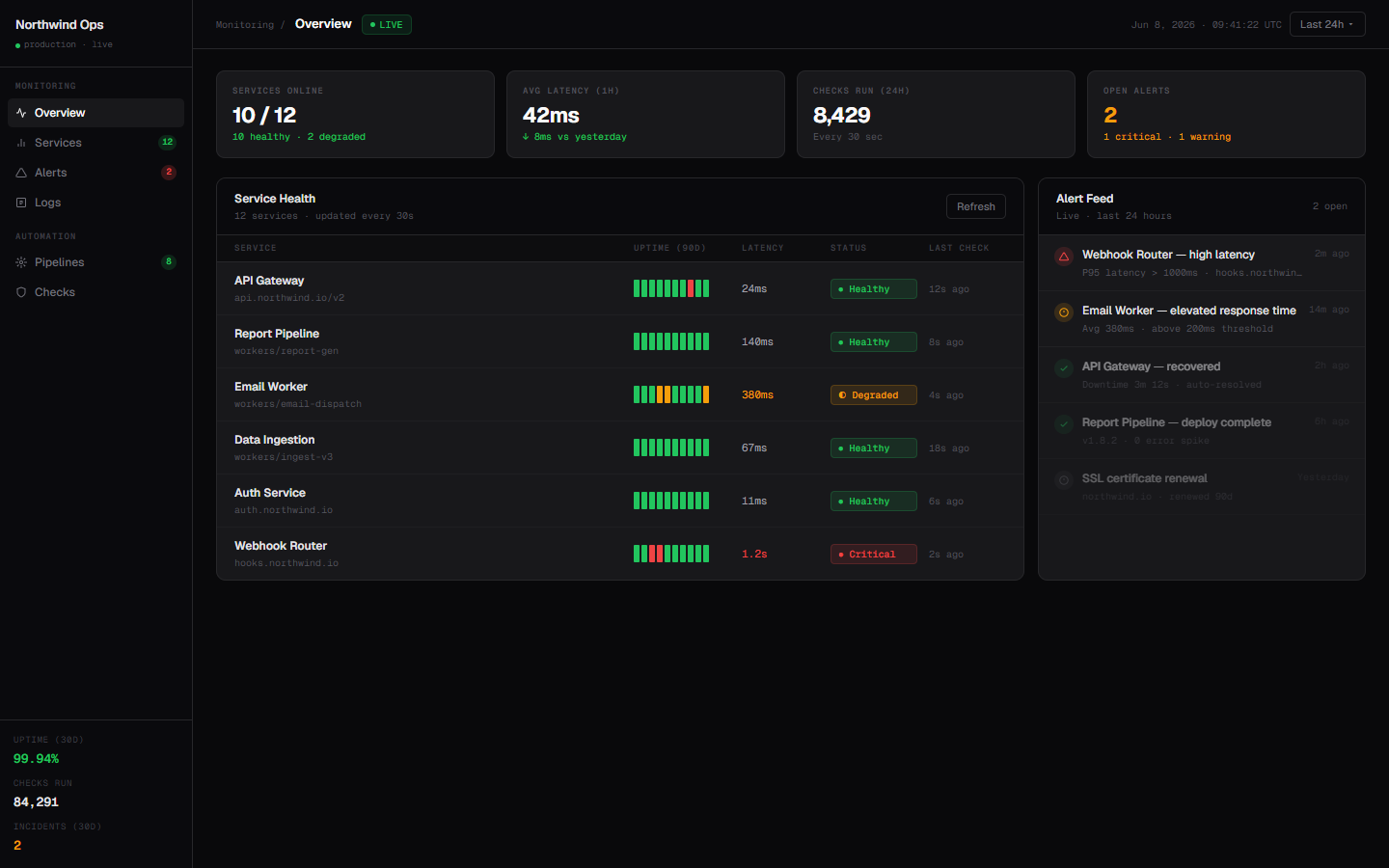
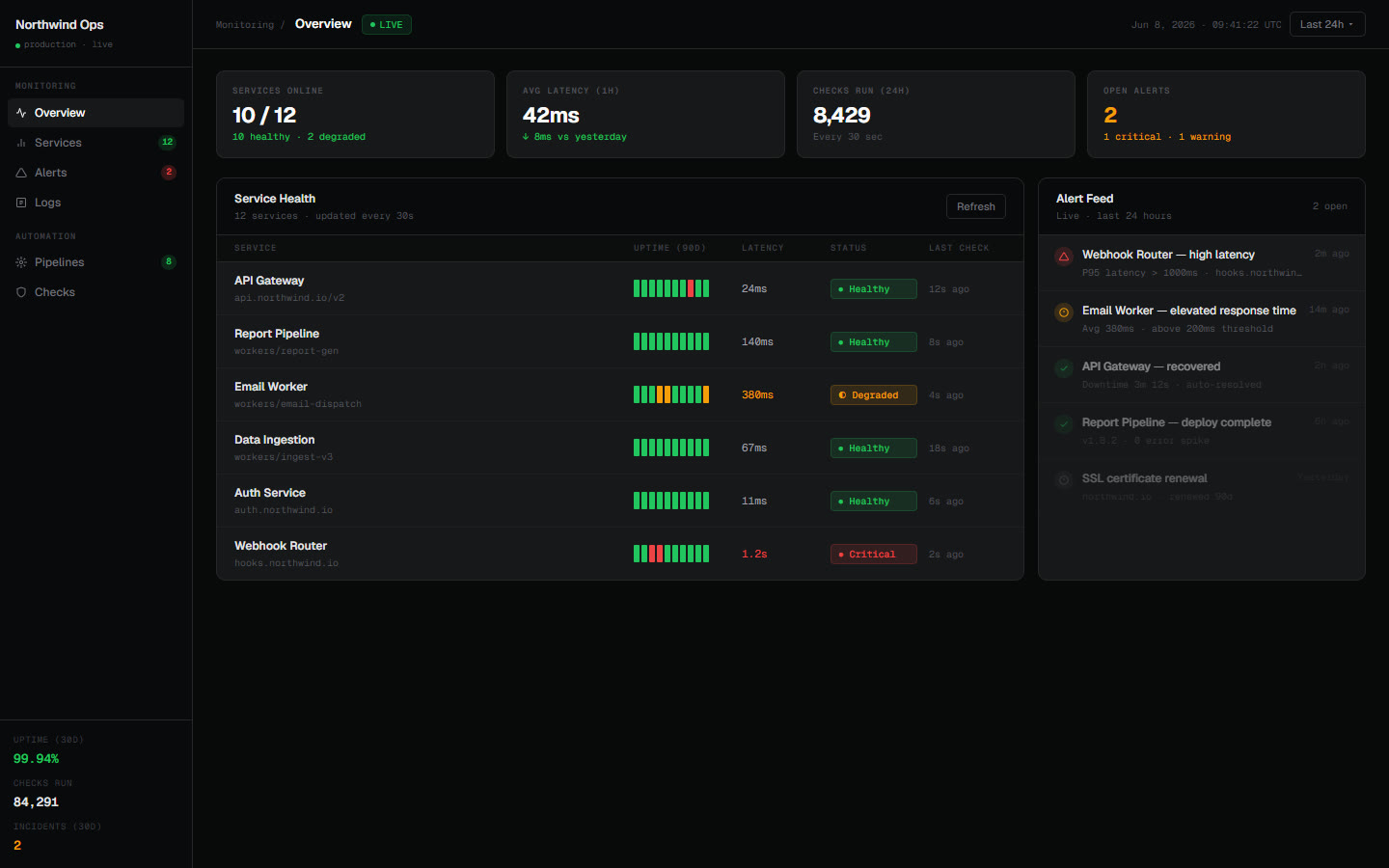
An AI employee for live operations
It watches a growth team's dashboards, routes the alerts and writes the regular digest.
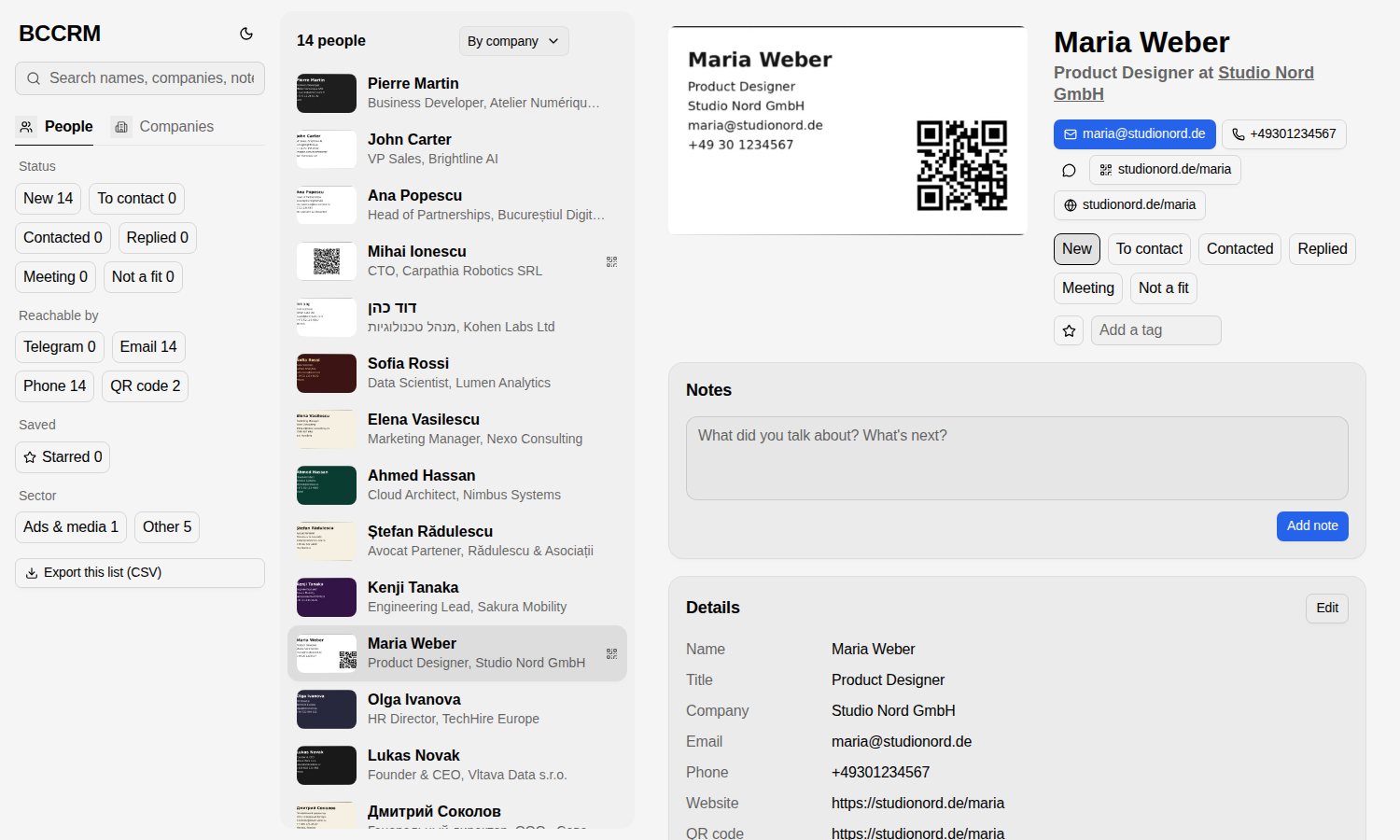
BCCRM
Photograph a pile of business cards and get back a contact book you can search. Free and open source.
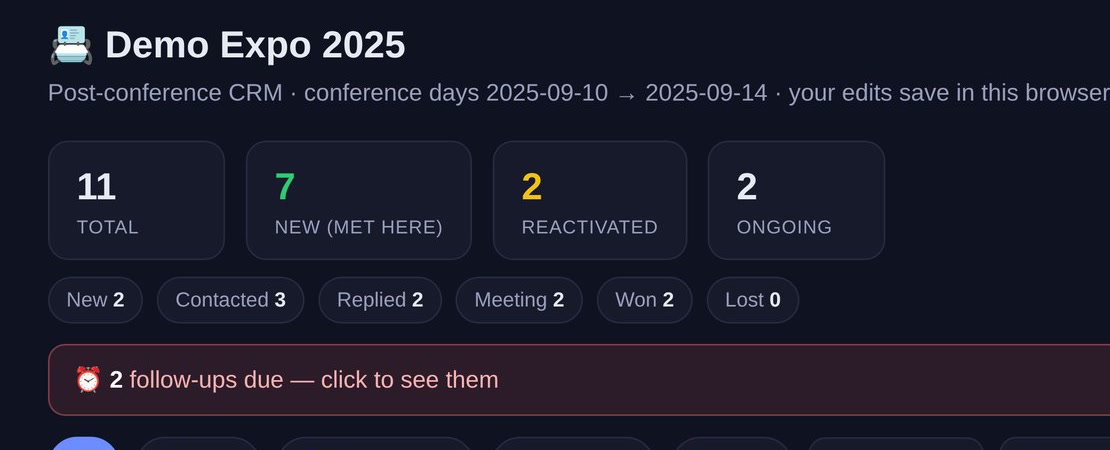
Conference CRM
After an event, it sorts the people you met in Telegram into a follow-up list. Free and open source.
Other things we build
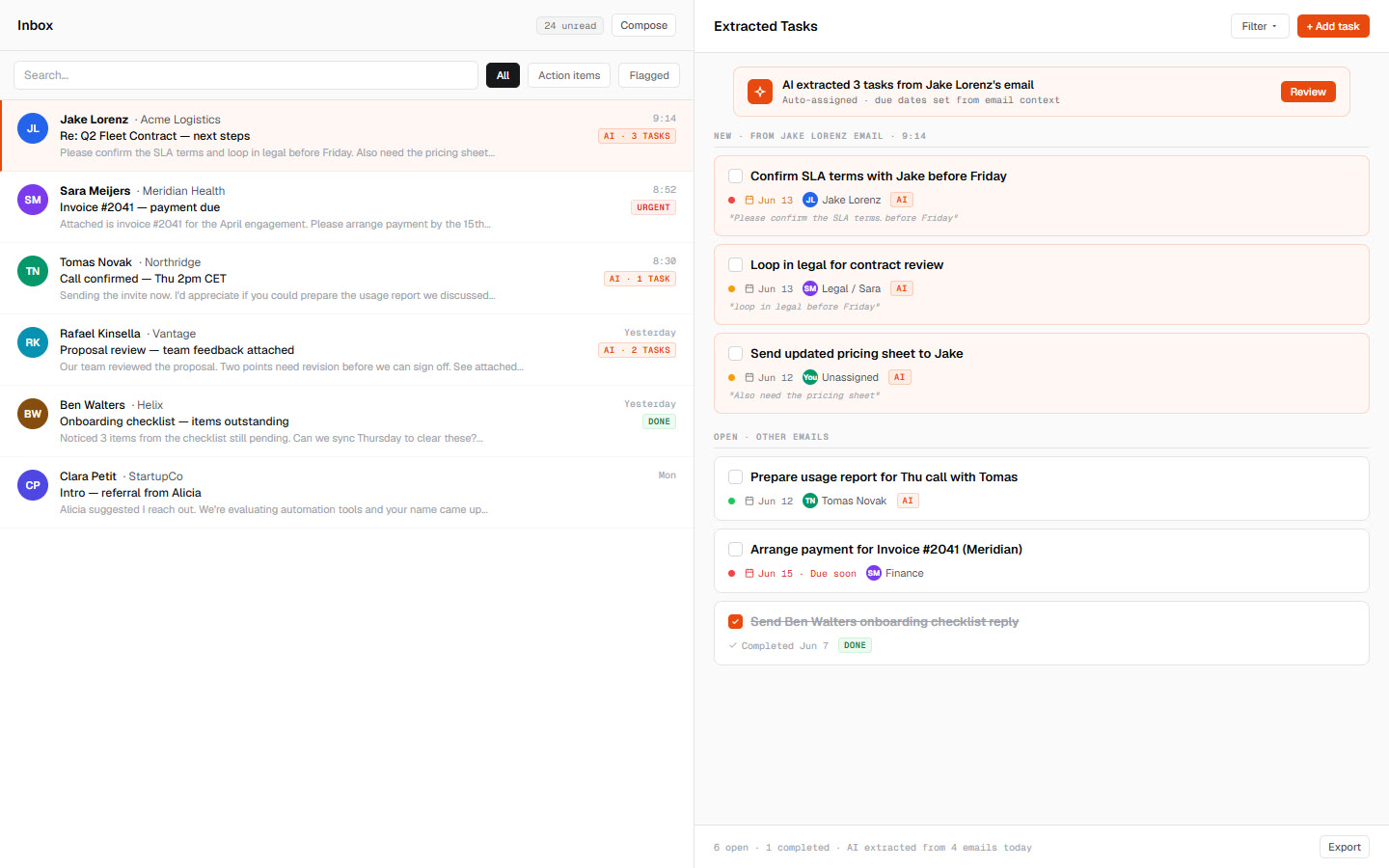
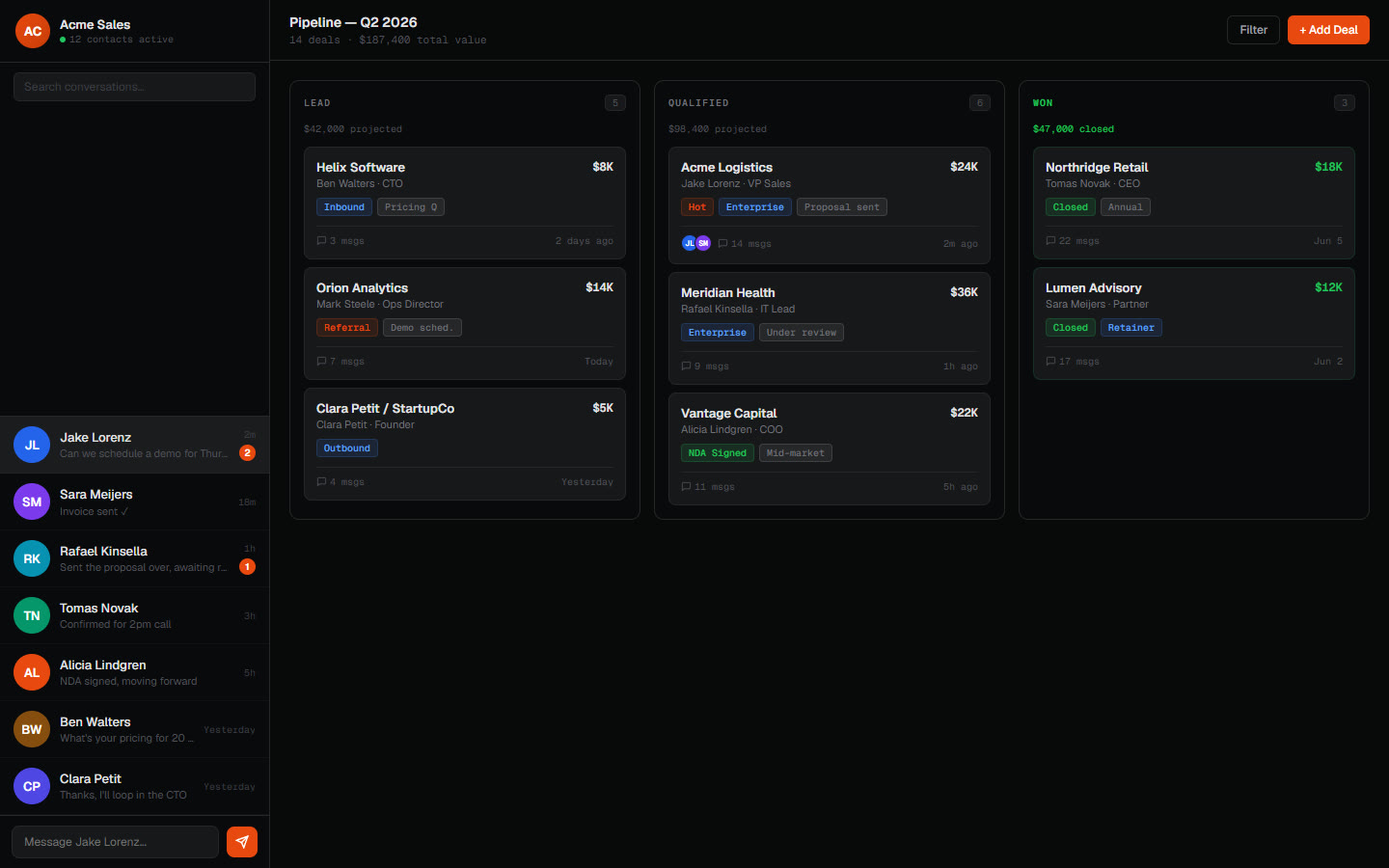
AI integration
AI wired into the email, CRM, spreadsheets and chat your team already uses. It acts when something happens and writes the result back.
About AI integrationTelegram automation
Bots and agents on the Bot API and MTProto for notifications, approvals, CRM lookups and full conversation flows.
About Telegram automation
Websites
Fast, modern websites for local businesses that we keep current for you. You send changes in plain words, and they go live once you approve.
About websites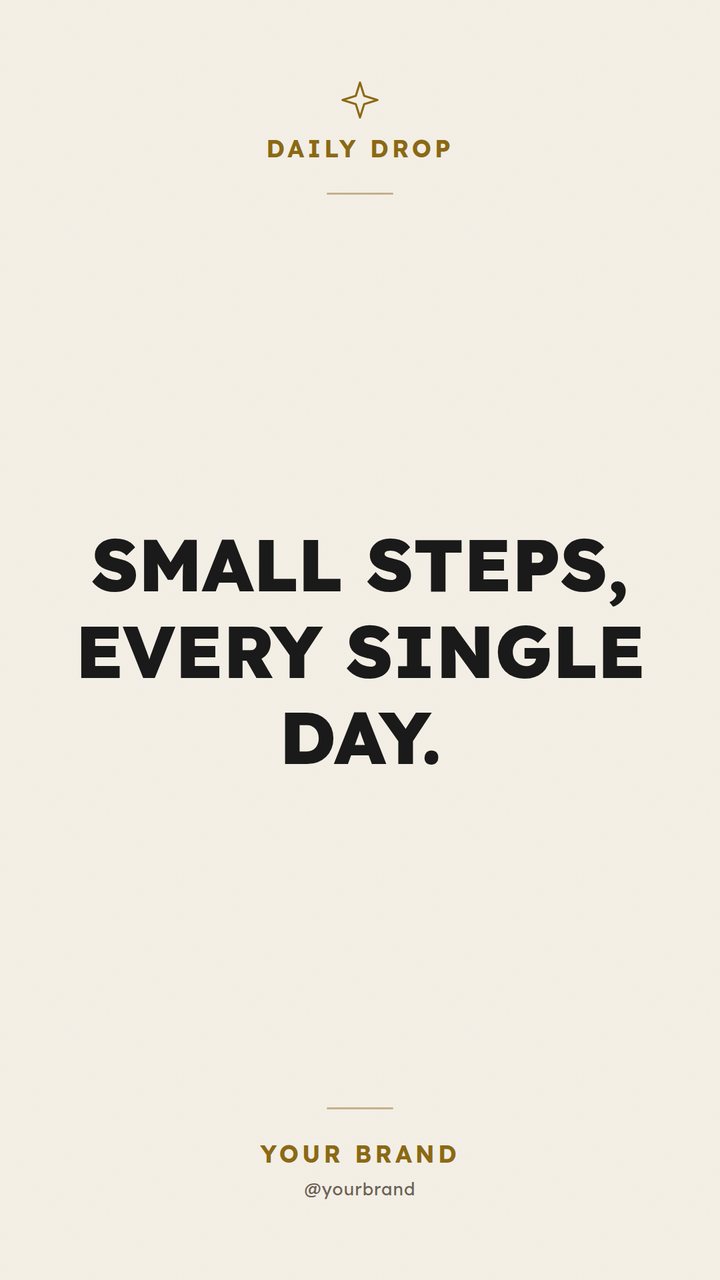

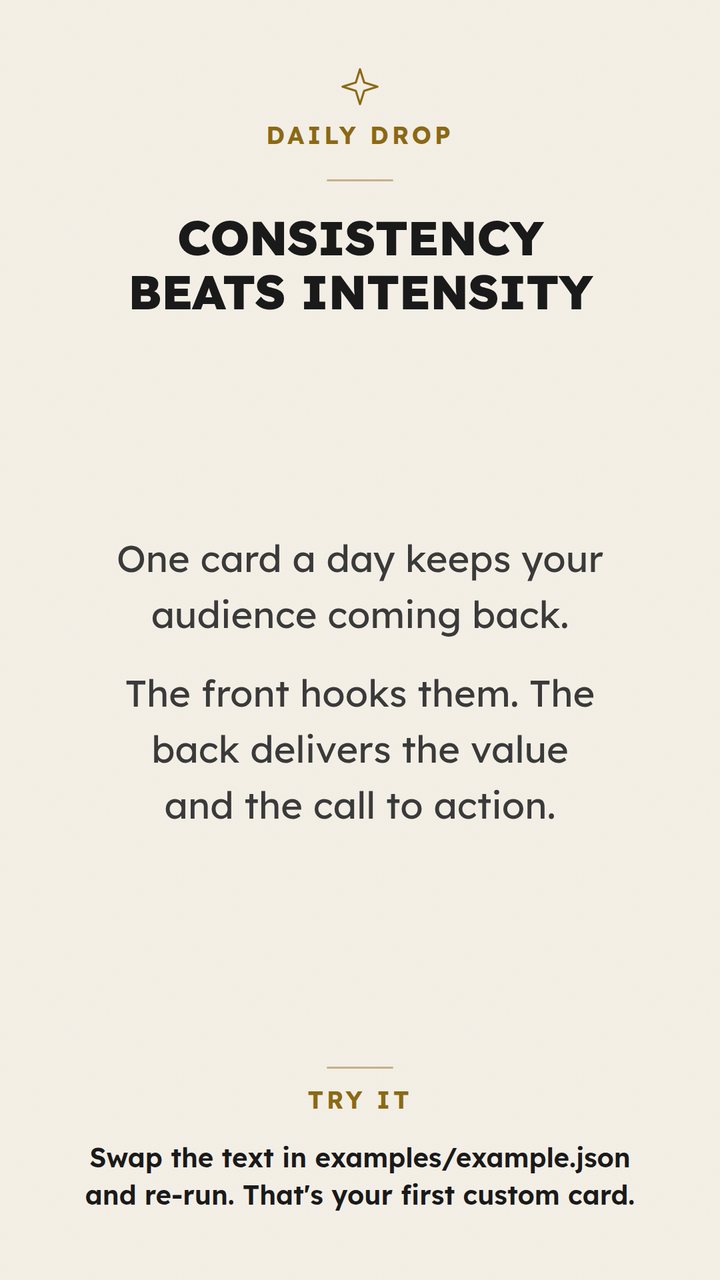
Launch and brand assets
Launch copy, visuals and a social set made with AI, edited against your brief and approved by you before anything ships.
About launch and brand assetsHow we build custom AI, in detail
Why your AI's memory stores your questions as facts
The bug that makes AI memory save questions as facts, and the gate that stops it.
One mention is not a fact
A confidence model for agent memory: start unsure, earn trust through repetition, decay over time.
Your API keys: encrypted, not in plaintext
How AI agents mishandle provider keys, and the two key models we run in production.
What should it do, exactly?
Tell us what you need built, what you've tried already and what a correct result looks like. We'll scope it, and we'll tell you if a simpler approach exists.